
Materials become visible constraints
Shape, surface, color and packaging details are separated from mood words so the product description stays central.
AI product photo generator
Turn a clear product description into a structured photography brief with a chosen setting, lighting treatment and output format. Explore campaign directions before committing to a physical shoot or a larger catalog workflow.
This version generates from text; it does not accept a product reference image or guarantee exact SKU geometry, packaging copy or brand color. Use it for concepting and unbranded mockups, not as evidence of the real product.
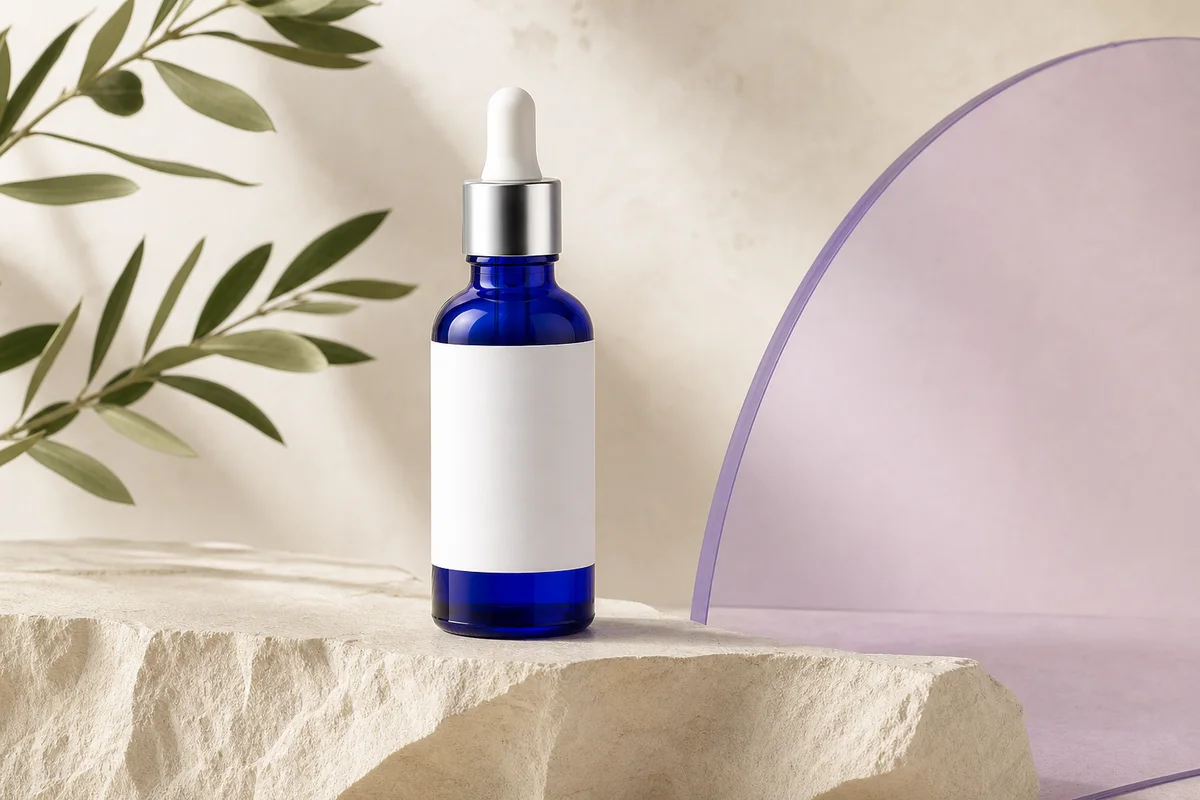
A clean commercial direction with realistic grounding and restrained props
Editorial concept image created for this page. It illustrates a possible direction, not a guaranteed model output. Review every generated asset before publishing.
AI product photo generator
Describe visible materials and geometry, then choose the commercial setting and light. The tool builds a focused prompt without inventing performance claims.
Product photography brief
Product, scene, lighting and output format
Original image
Review the structured prompt
Example: cylindrical 30 ml bottle, silver collar, blank matte-white label, no logo
5 credits per image
Generated result
Describe the product and choose a scene. Your product-photo concept will appear here after generation.
Your generations stay in your account workspace
The workflow is designed for early campaign decisions: scene, light, composition and visual mood. It makes its limits explicit when exact product fidelity matters.
Shape, surface, color and packaging details are separated from mood words so the product description stays central.
Studio, lifestyle, luxury and color-block presets avoid unrelated fantasy details that make a product hard to evaluate.
The generated brief excludes reviews, certifications and performance language unless you deliberately add approved information later.
Use the output to choose an art direction, not to replace the checks required for an exact product listing.
Name geometry, material, color, finish and packaging structure. Avoid vague claims such as premium unless you also describe the visual evidence.
Select a setting and lighting direction that fit the channel, audience and product category rather than the latest visual trend.
Check symmetry, edges, cap alignment, shadows, reflections and scale. Reject attractive images that could not exist physically.
Use an approved concept to brief a photographer or reference-based editor when exact SKU, label and included accessories must be preserved.
A product prompt should describe observable facts before adding atmosphere. These examples show how to keep the subject identifiable.
A cobalt 30 ml glass serum bottle with a white dropper and blank label, centered on warm ivory stone, soft directional daylight, realistic glass highlights and one restrained botanical accent.
A matte-black aluminum desk lamp with a circular base and slim articulated arm, photographed at eye level on a walnut desk with focused warm light and a clean dark background.
A slim unbranded aluminum beverage can with a pale coral finish, cold condensation and realistic metal reflections, standing on translucent ice in a bright color-block campaign set.
Specific product geometry and material language produces more reviewable concepts than a long list of generic quality adjectives.
Not in this version. The current tool generates from a written product brief. It clearly avoids claiming reference-image preservation that the enabled text-to-image model does not provide.
Use it as a concept unless the generated object has been checked carefully against the real SKU and the marketplace's synthetic-media, background and accuracy requirements.
Describe product category, geometry, dimensions, materials, finish, colors, closure, label treatment and the details that must not be invented.
Reuse the same setting, camera height, lighting, background and palette. Change only the named product facts, then archive the accepted prompt with each approved direction.
It can attempt visible text, but brand marks and regulated packaging copy require exact rights and careful review. Blank or generic labels are safer for early concepts.
The current cost is displayed beside the generate button before submission. Refine the written brief before spending credits on additional variants.
Describe observable details, choose one commercial context and generate a focused concept before expanding into campaign variants.