

Practical guide
Qwen Image 3.0 Prompts: A Beginner-Friendly Guide
Use a repeatable prompt structure for portraits, products, posters, illustrations, and architecture without learning technical jargon first.
Read the guideQwen Image 3.0 learning center
Choose a focused workflow instead of reading disconnected updates. Each guide separates confirmed information from practical advice and leads to the next useful step.
Start here when your goal is a stronger prompt, more reliable text, or production-ready ecommerce graphics.
Practical guide
Use a repeatable prompt structure for portraits, products, posters, illustrations, and architecture without learning technical jargon first.
Read the guide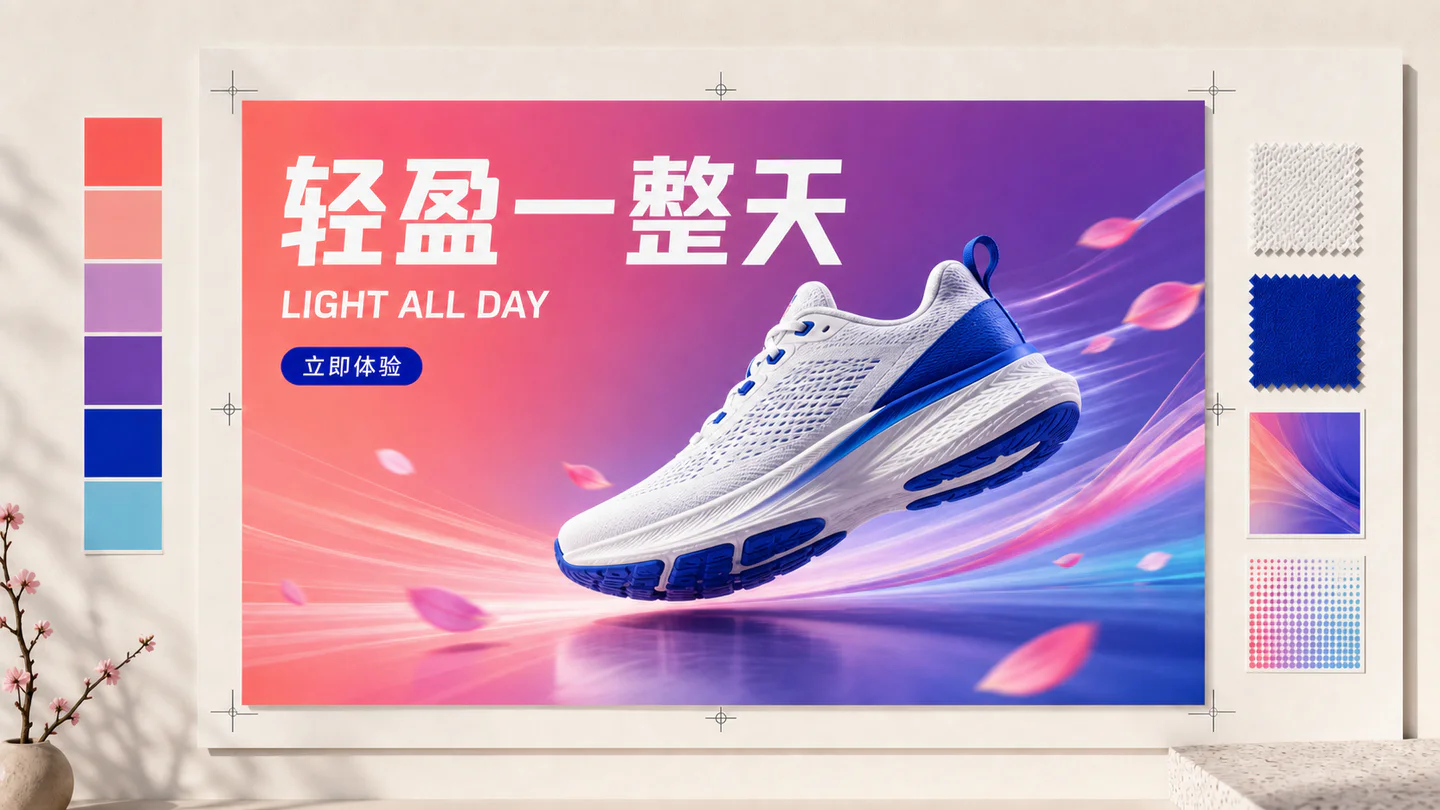
Practical guide
A practical method for prompting, testing and reviewing Chinese, English and multilingual text in posters, interfaces, infographics and product graphics.
Read the guide
Practical guide
A commercial workflow for product scenes, marketplace graphics, benefit posters and localized ads that protects product accuracy and reduces paid retries.
Read the guideUse these guides for server-side API integration, local workflow planning and source-checked model availability.

Practical guide
A practical guide to live Qwen Image 3 model access, server-side authentication, task polling, durable storage, safety and production pricing.
Read the guide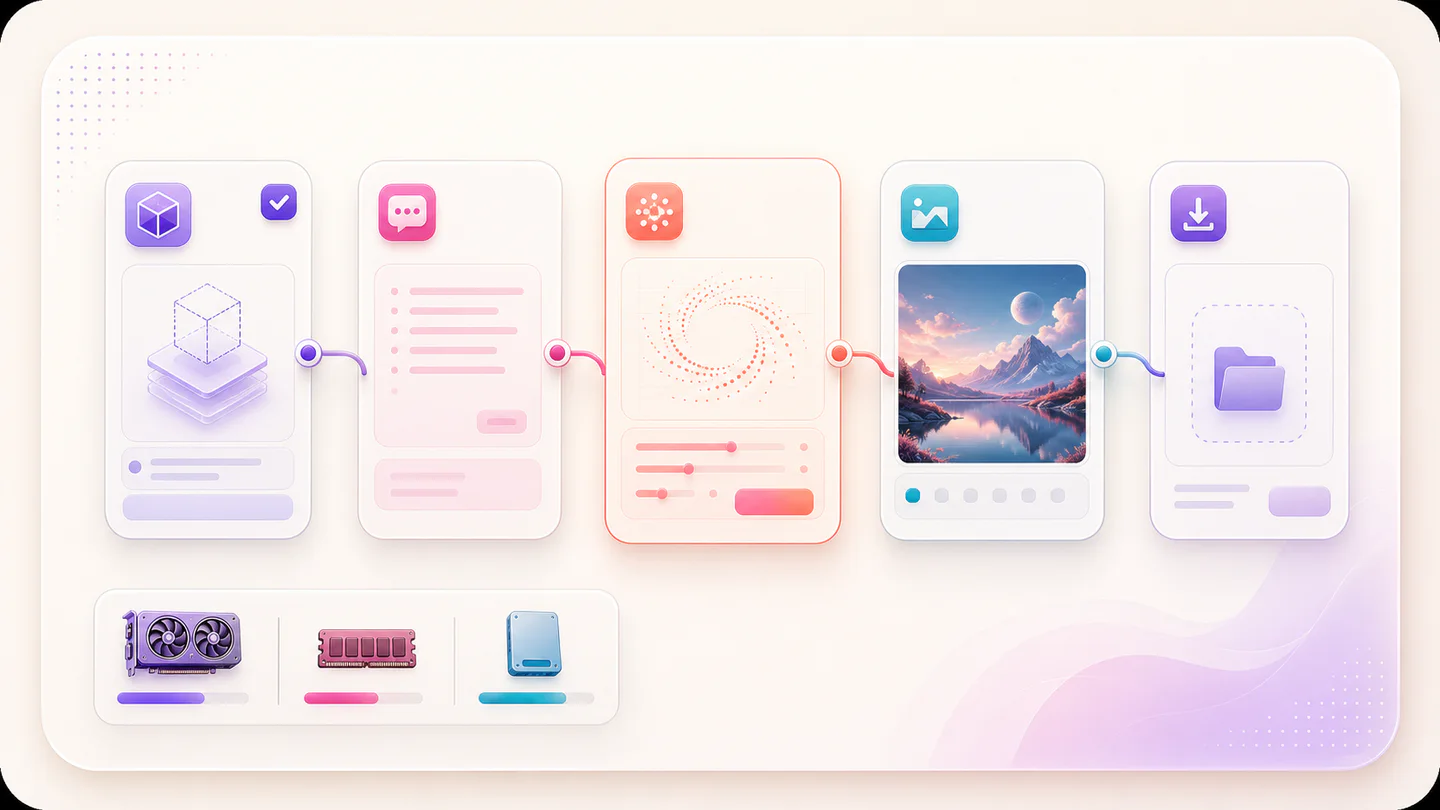
Practical guide
What beginners can prepare after the official model announcement, what still requires verified weights and documentation, and what a tested workflow must include.
Read the guide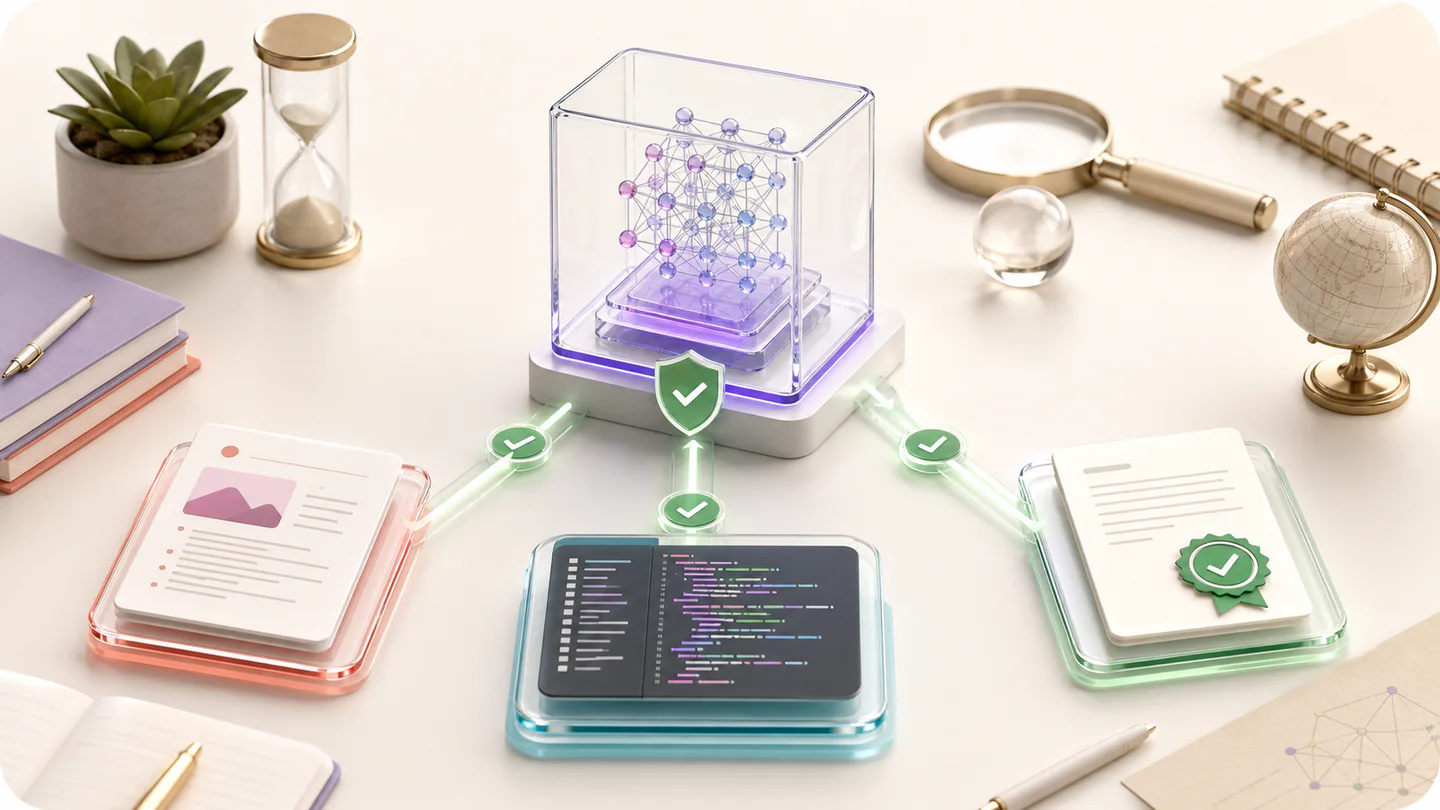
Practical guide
A source-checked status guide for Qwen Image 3.0 weights, Hugging Face model cards, GitHub releases, licenses, local downloads and API access.
Read the guideEvaluate versions with controlled inputs and useful criteria instead of comparing unrelated showcase images.

Practical guide
A release-aware comparison between Qwen Image 2.0 and the officially announced Qwen Image 3.0, separating launch claims from repeatable hands-on results.
Read the guideChoose your path
Begin with the prompt guide, then use the text-rendering or ecommerce workflow for your specific deliverable.
Read the API guide first. Check open-source and ComfyUI status separately before planning local deployment.
Use the comparison guide and keep prompts, seeds, dimensions and review criteria consistent across versions.
Open the generator with a clear use case, test one controlled change at a time, and keep the successful result in your private studio.